3 Ways to Remove Trees from Your Property
by rtadmin | May 18, 2026 | Blog
Tree removal is a significant task that property owners may face for various reasons, including safety concerns, disease, or landscaping projects. It is essential to understand the different methods available for tree removal to choose the most suitable option. Each method has its advantages and challenges, and deciding which one to use depends on factors such as the tree’s size, location, and the owner’s budget.
Manual, mechanical, and chemical tree removal methods each offer distinct approaches to dealing with unwanted trees. Manual removal involves physical labor and tools, mechanical removal employs machinery, and chemical removal uses substances to kill the tree gradually. Understanding these methods can help property owners make informed decisions that align with their needs and environmental considerations.
Additionally, legal and environmental factors play a crucial role in tree removal. Property owners must navigate regulations, permits, and potential disputes with neighbors. Being aware of these aspects ensures compliance and minimizes negative impacts on the surrounding ecosystem.
1. Manual Tree Removal
Before beginning manual tree removal, it’s vital to assess the tree and its surroundings thoroughly. This assessment helps determine the tree’s condition, size, and potential hazards it may pose during removal. Property owners should look for signs of disease, structural weaknesses, and proximity to power lines or buildings. Understanding these factors can help plan a safe and effective removal process. Consulting with an arborist can provide additional insights into the tree’s health and the best approach to remove it.
The site’s characteristics, such as the terrain and accessibility, also influence the removal strategy. Steep slopes, rocky ground, or limited access may require special techniques or tools. Evaluating these conditions early helps in gathering the necessary equipment and planning the logistics of the removal. Additionally, considering weather conditions and choosing a dry day can further ensure safety and efficiency.
Once the assessment is complete, property owners can decide whether to proceed with manual removal or hire professionals. While DIY approaches may seem like a more cost effective option, they can take a lot more time, require more physical effort, and improper removal can lead to further problems for your yard. In many cases, the risks involved may outweigh the benefits, which is why owners should seek out professional tree removal services. Ultimately, a well-informed decision begins with a comprehensive site assessment.
Manual tree removal requires a range of tools, each serving a specific purpose in the process. Essential tools include chainsaws, hand saws, axes, and pruning shears for cutting branches and trunks. Additional equipment, such as ropes, ladders, and wedges, assists in managing the tree’s fall direction and ensuring safety. It’s crucial to have all tools in good working condition and to understand their proper use.
Safety gear is equally important when removing a tree manually. Items such as hard hats, gloves, goggles, and steel-toed boots protect against potential injuries. Ear protection may also be necessary when using loud equipment like chainsaws. Investing in high-quality safety gear can prevent accidents and provide peace of mind during the removal process.
Beyond the basic tools, specialized equipment may be required depending on the tree’s size and location. For instance, a winch or block and tackle system can help with larger trees or difficult angles. By assembling a comprehensive toolkit and understanding how to use each item, property owners can approach manual tree removal with confidence and efficiency.
2. Mechanical Tree Removal
For many property owners, hiring professional tree removal services is the most efficient and safe option. Professionals bring expertise, experience, and specialized equipment to handle trees of all sizes and conditions. According to This Old House, research shows that professional tree removal services generally cost between $200 and $2,000, depending on the size of your tree, its location, and tree type. This investment often proves worthwhile, as professionals can handle complex removals and minimize risks.
Choosing the right tree removal service involves researching and comparing local companies. Look for licensed and insured professionals with positive reviews and proven track records. Obtaining multiple quotes and discussing the scope of work ensures transparency and helps manage costs. Reputable services should provide detailed estimates and explain their approach to the project.
Professional tree removal not only saves time and effort but also enhances safety. Specialists are trained to navigate challenging conditions and can address potential hazards effectively. Additionally, they handle post-removal cleanup, leaving the property tidy and ready for future use. By entrusting the task to experts, property owners can achieve peace of mind and avoid potential pitfalls.
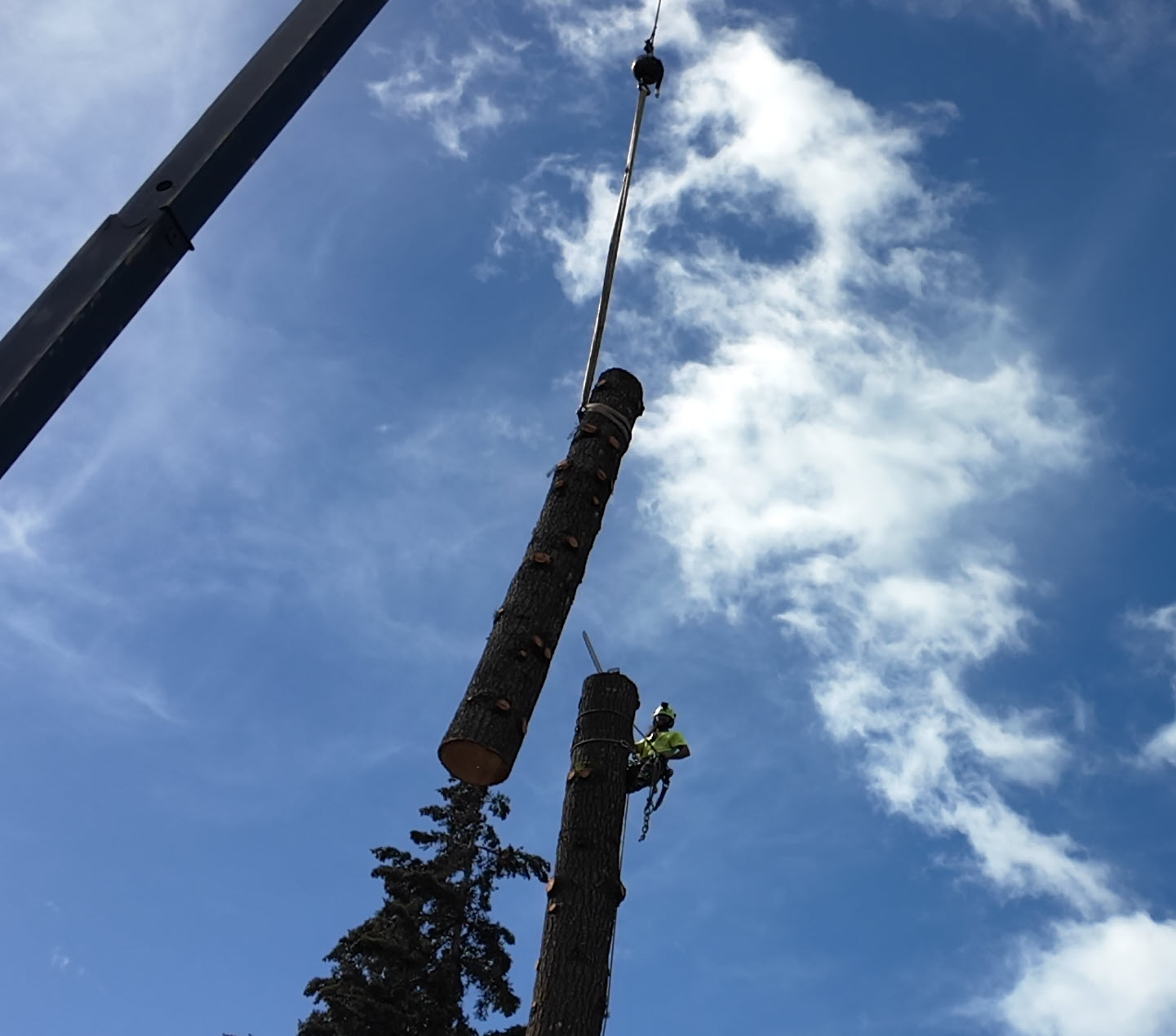
Mechanical tree removal involves various machinery options, each designed for specific tasks and tree sizes. Common machines include chainsaws, wood chippers, and stump grinders, which streamline the removal process and reduce labor. For larger projects, heavy equipment like cranes, bulldozers, or tree shears may be necessary to safely dismantle and remove trees.
Chainsaws are versatile tools for cutting branches and trunks, offering precision and power. Wood chippers convert branches and debris into mulch, facilitating easy disposal and reducing waste. Stump grinders are essential for removing stumps efficiently, grinding them into small pieces and leaving the area level.
When using heavy machinery, safety is paramount. Operators must be trained and experienced to handle equipment safely and effectively. Ensuring that machinery is well-maintained and following manufacturer guidelines helps prevent accidents and breakdowns. By understanding the machinery options and their applications, property owners can choose the right tools for their tree removal needs.
3. Chemical Tree Removal
Using chemicals to remove a tree is the process of using herbicides to kill a tree gradually, making it easier to remove. Not all tree removal services offer this feature, but those that do always select the right chemicals to maintain effectiveness and minimize environmental impact. Commonly used chemicals include glyphosate and triclopyr, which are absorbed by the tree and disrupt its growth processes.
When choosing chemicals, consider the tree species, size, and location, as different formulations may be more effective for specific conditions. Reading product labels and following manufacturer instructions ensures proper application and safety. Consulting with experts or local extension services can provide guidance on selecting the most suitable chemicals for a particular situation.
Environmental and safety concerns should also influence the choice of chemicals. Opting for biodegradable or low-toxicity products reduces the risk of harm to surrounding plants and wildlife. By carefully selecting and applying chemicals, property owners can achieve effective tree removal while minimizing negative impacts.
Effective application techniques are essential for successful chemical tree removal. Several methods exist, including basal bark treatment, cut-stump treatment, and foliar spraying, each suited to different scenarios. Basal bark treatment involves applying chemicals directly to the tree’s bark, while cut-stump treatment targets freshly cut surfaces.
Foliar spraying is used for smaller trees or saplings, applying chemicals to the leaves for absorption. Each technique requires specific equipment, such as spray bottles, paintbrushes, or backpack sprayers, to ensure even distribution and coverage. Understanding the appropriate method for the tree’s size and condition enhances the likelihood of effective removal.
Timing is also critical in chemical application, as certain seasons or weather conditions may affect the chemicals’ efficacy. Applying treatments during the tree’s active growth period, typically in spring or early summer, ensures better absorption and results. By mastering application techniques and considering timing, property owners can maximize the effectiveness of chemical tree removal.
Choosing the right approach for clearing trees from your property comes down to safety, efficiency, and long-term landscape health. Whether you tackle small jobs yourself or rely on professional tree removal services for larger or hazardous projects, making informed decisions helps protect both your property and your investment. If you are ready to take the next step, contact Associated Arborists today to get expert guidance and dependable solutions tailored to your needs.